What are the best driving tips for navigating the Surf Coast along the Great Ocean Road? Take your foot off the gas, be ready for anything to pop out around the next corner, plan your pit stops carefully, and, unless the road actually allows it, don’t get too caught up in trying to hit that speed limit.
I’ve done this stretch an uncountable number of times – leading groups of tourists, behind the wheel myself, even riding shotgun while friends tried to keep a grip on their nerves on the wheel – and let me tell you, the Surf Coast may look like a piece of cake on paper. Still, it’s actually a real thinker’s road. Get it right, and you get to enjoy one of the best drives in the country. But get it wrong, and before you know it, this drive has turned into a bit of a stressful slog.
Contents
- 1 Understand The Road Before You Hit It
- 2 Getting There Without Starting Flustered
- 3 Reading Corners Properly — Where Most Drivers Slip Up
- 4 Where To Stop Without Creating A Hazard
- 5 Weather Isn’t Just Background — It Changes How You Drive
- 6 Timing The Drive So It Actually Feels Enjoyable
- 7 Costs You Should Actually Expect
- 8 Risks And Safety — What You Need To Take Seriously
- 9 If You Only Have One Day — Do This, Not Everything
- 10 Who This Drive Suits — And Who Should Rethink It
- 11 Quick Checklist — Before You Hit The Road
- 12 Expert Insight From Years On The Road
- 13 Final Thoughts — Drive It Like You Mean It
- 14 FAQs
Understand The Road Before You Hit It
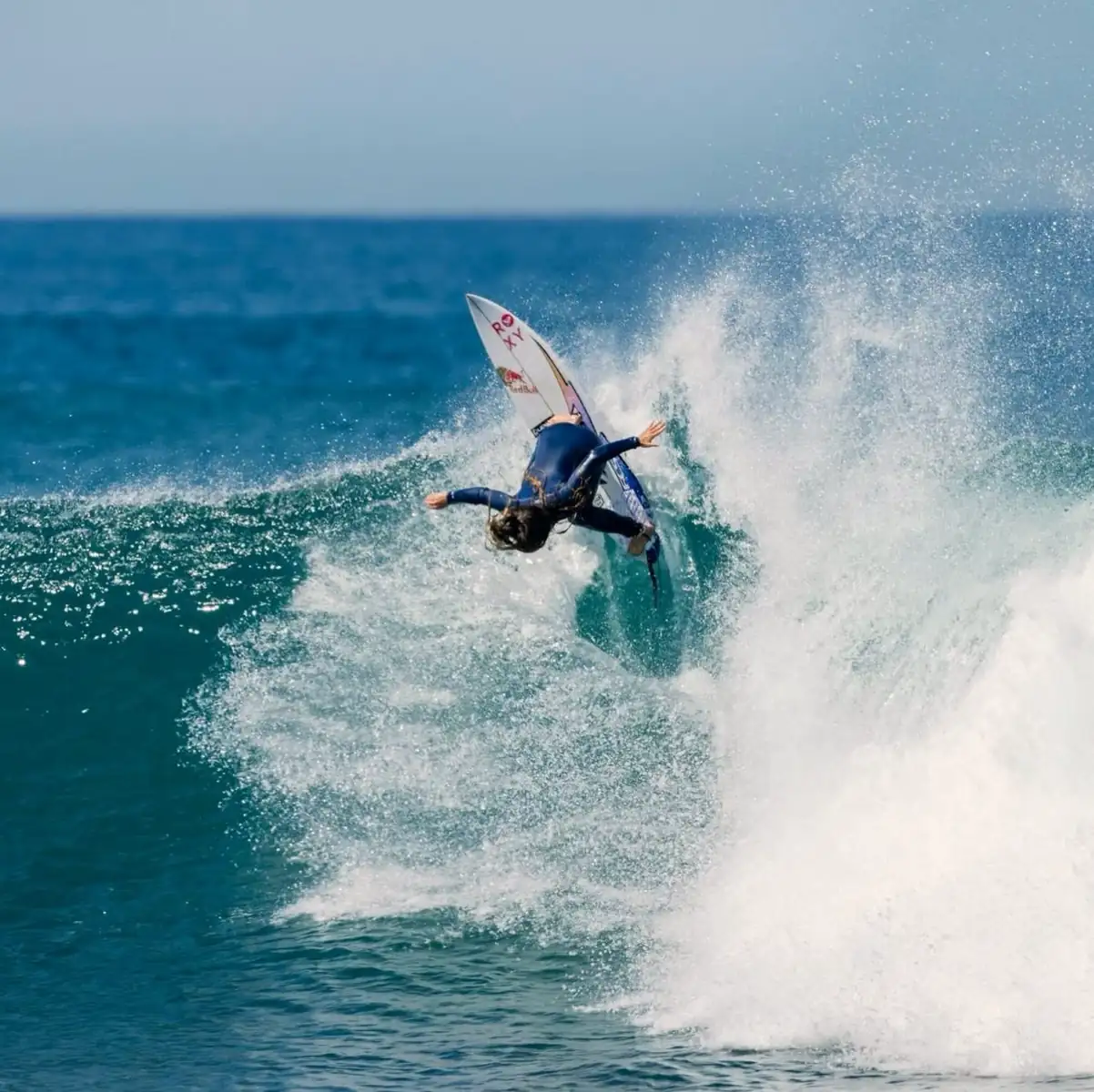
The Surf Coast section of the Great Ocean Road – from Torquay, through Bells Beach, Aireys Inlet, and into Lorne – is where the road really starts to test you early. This bit’s a whole lot narrower than you might expect, constantly twisting and turning and can be downright unforgiving if you let your mind start to wander.
What throws people off (as opposed to the scenery, which is just as stunning) is the rhythm of the road – you rarely get more than a minute or two at a time where the road does actually straighten out, and you can relax. Then, in an instant, you’re having to think anew about your speed, your steering and how much space you need in front of you.
I’ve seen more than a few travellers get a bit too relaxed after leaving Melbourne, and then, by the time they come to that first tight bend near Bells Beach, they’re carrying way too much speed. That’s usually about the point where they have that “oh no, this is serious” moment.
Getting There Without Starting Flustered
Most people start their Great Ocean Road adventure from Melbourne, and the first leg of the drive really sets the tone for the whole day.
Getting To The Surf Coast
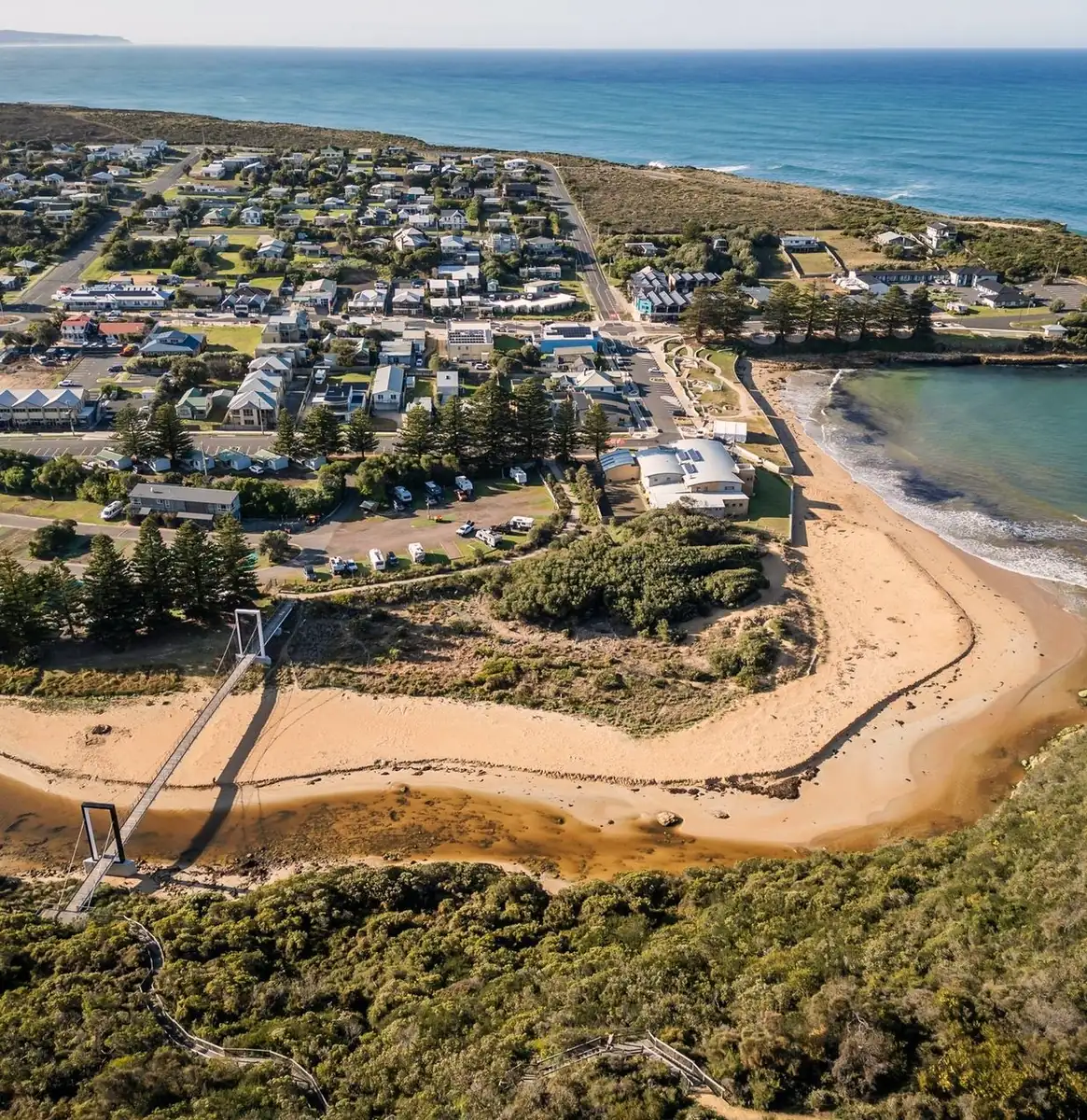
From the Melbourne CBD, it’s about 1.5 hours (100 km) via the M1 to Torquay.
Good place to start: Torquay – plenty of fuel stations, food outlets and a park up spot right in the centre of town.
Public transport options: tough – it’s pretty limited: usually a V/Line train to Geelong and then a bus, which isn’t really practical for the full drive.
Your Smart Start Plan
- Fill up the tank before you get to Torquay
- Grab a coffee and take a moment to centre yourself
- Get your mirrors, seat and nav sorted
From experience:
I’ve had guests jump straight into a Great Ocean Road tour from Melbourne with no prep — by the time they hit the first set of bends, they’re already overwhelmed.
Reading Corners Properly — Where Most Drivers Slip Up
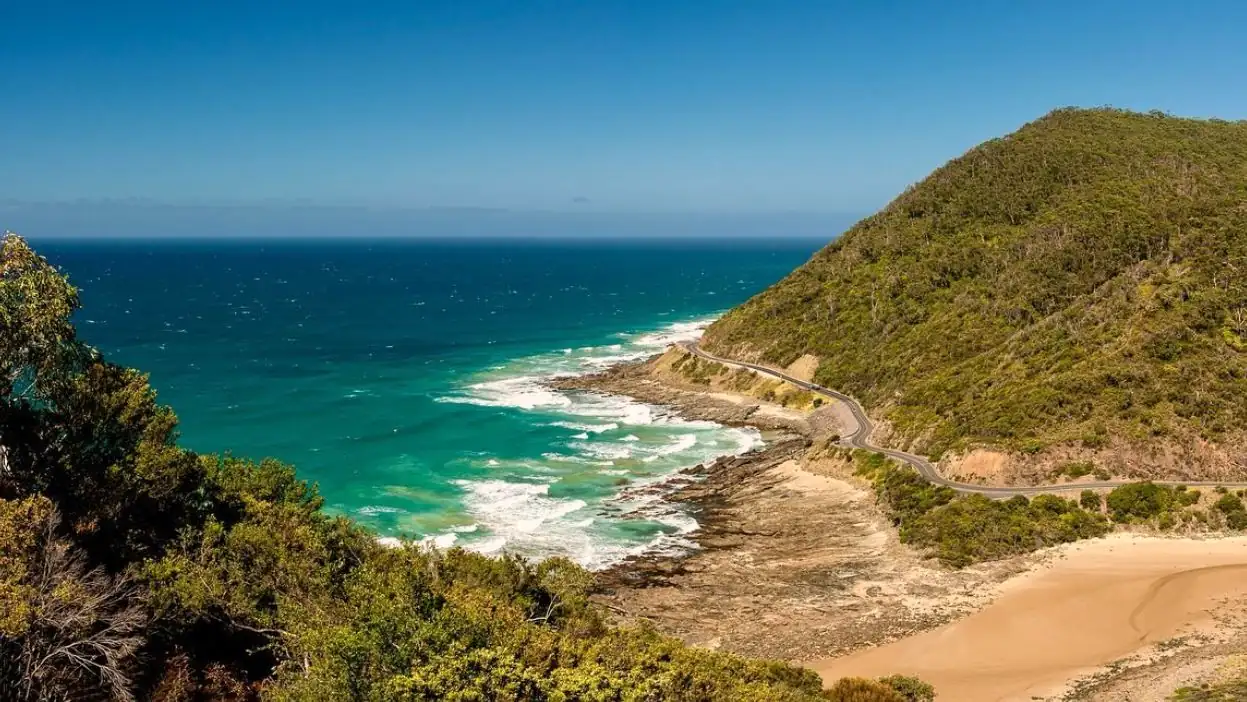
The difference between a smooth drive and one that sends your anxiety through the roof all boils down to how you handle corners.
This road isn’t about slamming on the brakes – it’s all about being one step ahead. There are plenty of corners along the Great Ocean Road that tighten up mid-turn, especially between Aireys Inlet and Lorne. That’s when drivers tend to veer off course or stamp on the brakes, causing chaos behind them.
The trick is really quite simple – just too often ignored: ease on the gas before you hit the bend, keep your line steady as you navigate it, and don’t even think about putting your foot down until you can see the exit clearly.
I had a real wake-up call once when I came around a bend near Aireys Inlet to find a car blocking the whole lane – driver out, busy snapping photos – no warning, no indicator in sight. It’s a memory that’s stuck with me. And it’s exactly why you need to be prepared for the unexpected when driving this stretch.
Where To Stop Without Creating A Hazard
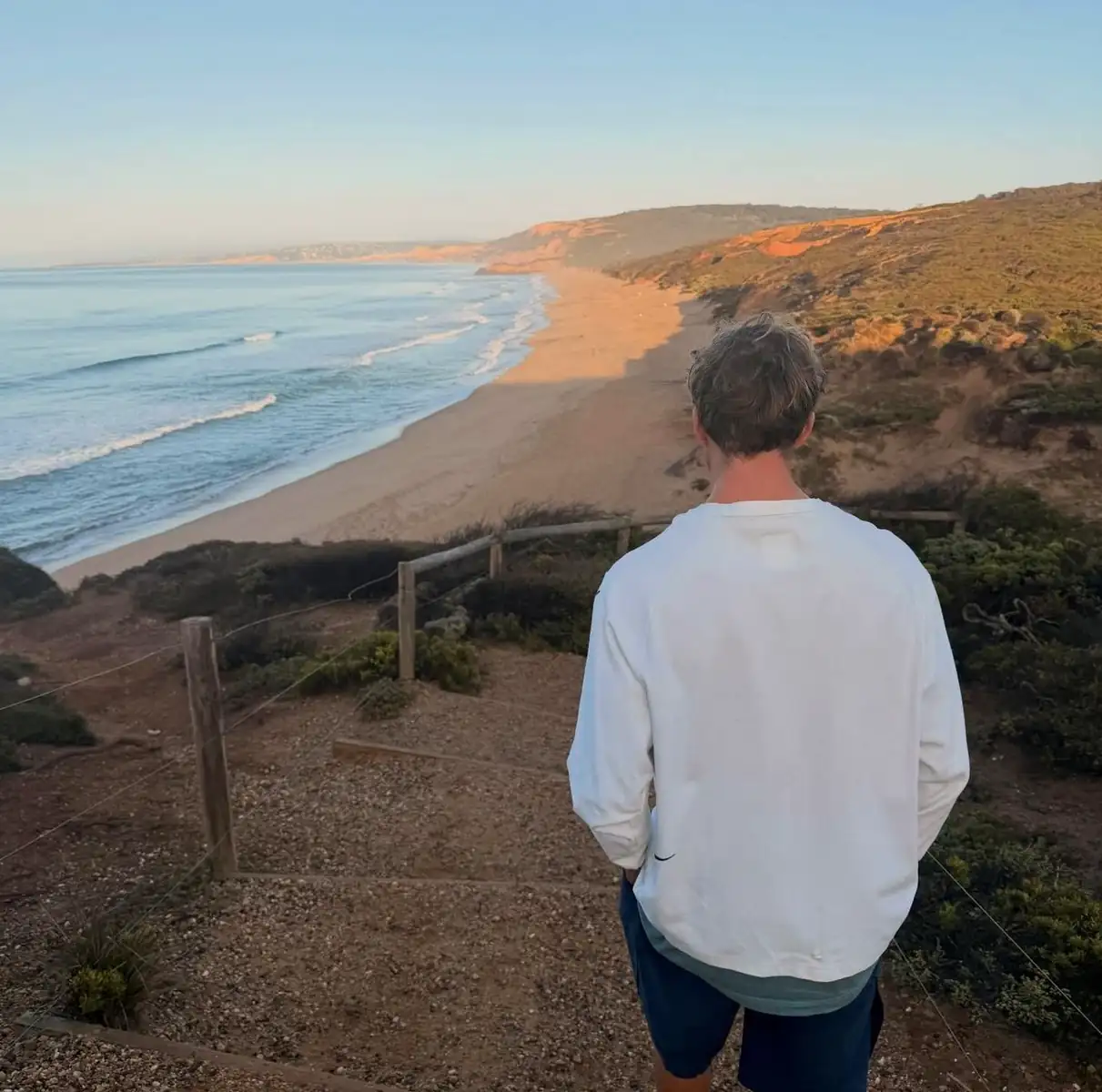
Stopping along the Surf Coast is a big part of the experience – but you’ve got to do it right.
You can’t just yank over anywhere. Some sections of the road don’t even have a shoulder, and stopping halfway across the road is just crazy.
Here’s how the major sections fare:
Reliable Pull-Off Points
| Section | Distance | Difficulty | Highlights | Parking Notes |
|---|---|---|---|---|
| Torquay → Bells | 10 km | Easy | Surf beaches, open coastline | Good access |
| Bells → Aireys | 15 km | Moderate | Cliff views, winding sections | Limited stops |
| Aireys → Lorne | 30 km | Moderate–Hard | Lighthouse, coastal cliffs | Busy in the peak |
Safe Stops I Always Recommend
- Torquay Foreshore – a pretty spot to stretch your legs
- Bells Beach car park – a chance to grab some photos
- Split Point area – I love the views from up there
- Lorne township – plenty of cafes and shops to browse
Expectation vs. Reality:
Expectation: “We’ll just stop anywhere we fancy”
Reality: You can’t always pull over – and trying to can be really hazardous
Weather Isn’t Just Background — It Changes How You Drive
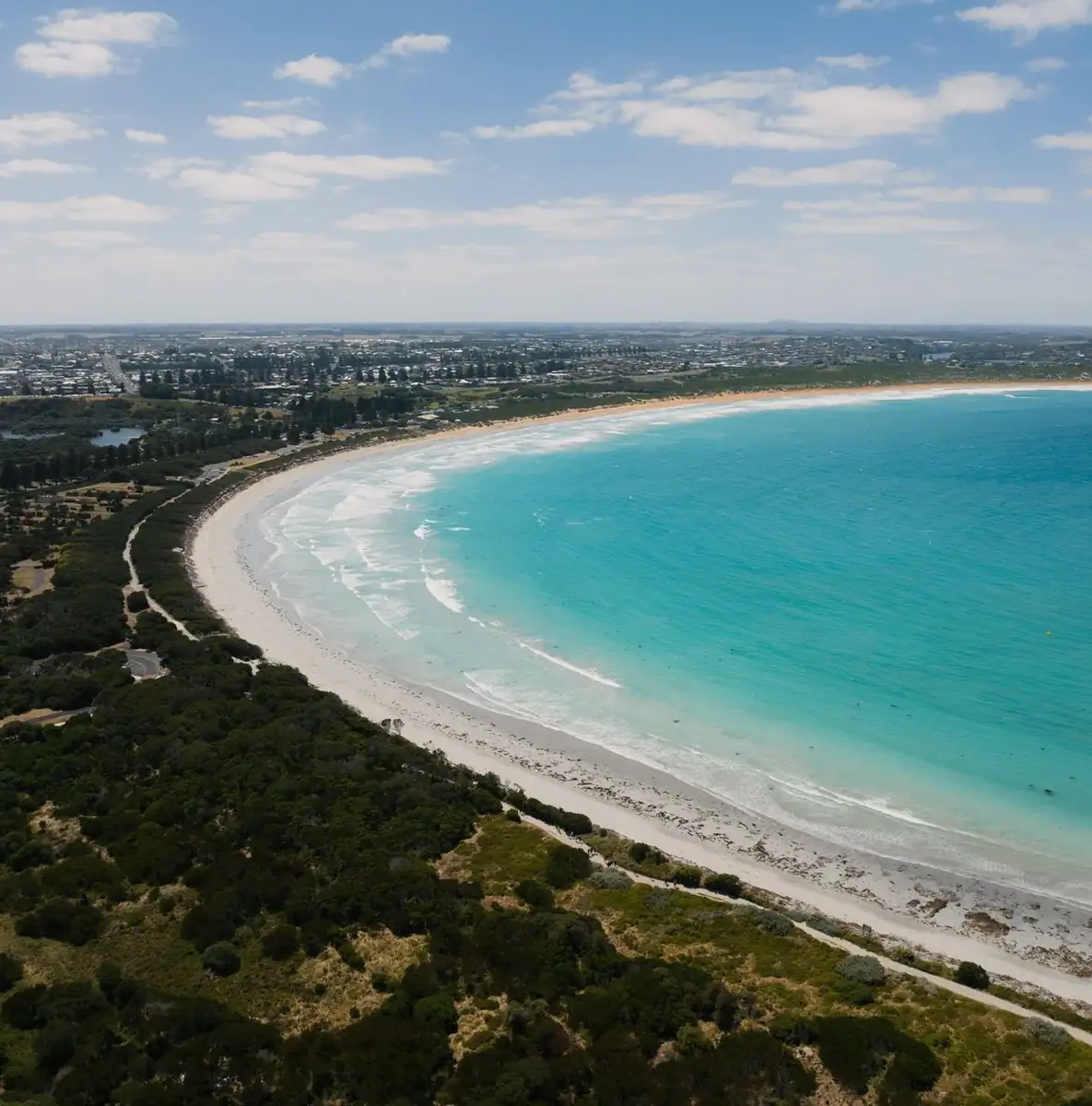
The Southern Ocean‘s got a nasty habit of switching the weather up on you in no time.
Summer usually means dry roads but heaps of traffic. Autumn and spring are the sweet spots – fewer tourists, and the weather’s pretty stable. But winter brings a whole new set of challenges – wind, rain, and roads that are slick as a snake’s belly, especially where the trees have dropped all their leaves and left a layer of moisture behind.
I’ve driven through sections near Lorne where the road looked bone dry but was still slippery from an earlier shower – and that’s where your tyres will lose grip on you, especially on sharp bends.
People really don’t appreciate how much a bit of wind can push your vehicle about – especially if you’re in a big hire car. The exposed bits near the cliffs are the worst.
Timing The Drive So It Actually Feels Enjoyable
This road changes its stripes depending on when you drive it.
Early morning is by far the best time – the light’s mellow, traffic’s pretty light, and you’re not stuck behind a bunch of impatient drivers or crowded car parks. Late afternoon also works pretty well.
But midday – especially if it’s a weekend or school holidays – that’s when things start to get really messy. Traffic piles up, car parks are stuffed, and the stop-start traffic just wears you out.
In practical terms, the Torquay-Lorne stretch is usually about 1.5 hours non-stop. But factoring in all the stops, slower traffic and normal conditions, you’re probably looking at more like 3 to 4 hours.
And that’s where most people get caught out – they just don’t factor in the gap between what they think it’ll be and what it actually turns out to be.
Costs You Should Actually Expect
Driving’s not just about fuel – there’s heaps of other stuff to factor in.
Rough Cost Breakdown (AUD)
- Fuel (Melbourne return): $30–$60
- Coffee + meals: $20–$50 per person
- Parking: Mostly free, some paid in Lorne
- Accommodation (if staying):
- Budget: $120–$180
- Mid-range: $200–$350
Tip: If you’re not sure how it’s all going to stack up, a guided Great Ocean Road day trip can be a lot cheaper and a whole lot less stressful.
Risks And Safety — What You Need To Take Seriously
This road’s got a reputation for a reason.
Key Risks
- Sharp corners where you’ve got to contend with oncoming traffic
- Some people are just too slow to stop
- The road can get slippery in no time – especially if it’s rained recently
- Driver fatigue – you’ve got to stay on it constantly
Safety Rules That Actually Matter
- Stick to the left-hand side, always
- Don’t push your luck – slow down and take your time
- Don’t try to pull over anywhere you like – use the designated spots
- Keep an eye out for cyclists and wildlife – they can pop up anywhere
If You Only Have One Day — Do This, Not Everything
- Get an early start from Melbourne
- Drive on down to Torquay, then continue to Lorne
- Be sure to stop at Bells Beach and also Aireys Inlet – they’re really worth a look.
- Grab a bite to eat in Lorne while you’re at it.
- If you’ve got the time and feel up for it, take a walk to a nearby waterfall
- Get back on the road before things get too dark
Top Pick:
Torquay to Lorne is where the real magic happens – it is the core of the Surf Coast experience.
Who This Drive Suits — And Who Should Rethink It
This drive is perfect for drivers who are pretty confident and don’t mind a bit of cornering action on shared roads. It’s also ideal for couples, small groups, or people who really enjoy driving – it’s a big part of the fun after all.
On the other hand, it’s probably not the best choice for drivers who get a little nervous behind the wheel, or for people who are short on time. If you’re already getting a bit anxious before you even start driving, then it’s unlikely that things are going to get easier once the bends start to appear around the corner.
Quick Checklist — Before You Hit The Road
Pre-Drive Essentials
- Fuel tank filled
- Phone charged + offline maps
- Weather checked
- Comfortable with left-side driving
On-The-Road Habits
- Slow before corners
- Use proper parking areas
- Keep a distance from the cars ahead
- Stay focused — no distracted driving
Expert Insight From Years On The Road
Over the years, I’ve been running tours and guiding people along the Great Ocean Road, and I’ve seen the same old mistakes over and over again.
People tend to underestimate the road at the start and try to pack too much in.
They rush along to try to fit everything in, which is a big no-no.
They stop in really dodgy places to take photos – and.
They reach the end of the day and suddenly remember they’re really, really tired.
I’ve had guests tell me that their Great Ocean Road trips were completely different once they just relaxed a bit and started to enjoy the drive for what it is.
Final Thoughts — Drive It Like You Mean It
The Surf Coast section of the Great Ocean Road isn’t about ripping through as many places as you can; it’s about driving well, staying focused, and letting the road just unfold as it goes.
If you treat it with respect, then it’ll be one of the best coastal drives in the country – but if you try to rush it, then it’ll be a real stress-fest.
If you’re still feeling a bit unsure about handling it yourself, there’s no shame at all in jumping on a guided tour with some of the local operators like Autopia Tours – sometimes it’s just easier to let someone else take the wheel.
FAQs
Is the Surf Coast a Scary Place to Drive?
Not at all – as long as you drive sensibly. Most problems stem from people who either drive too fast or get distracted.
Can You Drive This Section If You’re a Beginner?
It’s doable – but probably not the best choice for nervous or inexperienced drivers.
How Long Should You Allow For This Leg of the Journey?
Allow 3-4 hours for the Torquay-to-Lorne leg, including stops.
Should You Self-Drive or Take a Tour?
If you want to be in control, then self-driving is probably the way to go – but if you’re after a bit less stress, then taking a guided tour might be the better option.
What’s the Biggest Mistake Drivers Make?
Getting a bit too keen and trying to rush along – and underestimating just how demanding the road actually is.