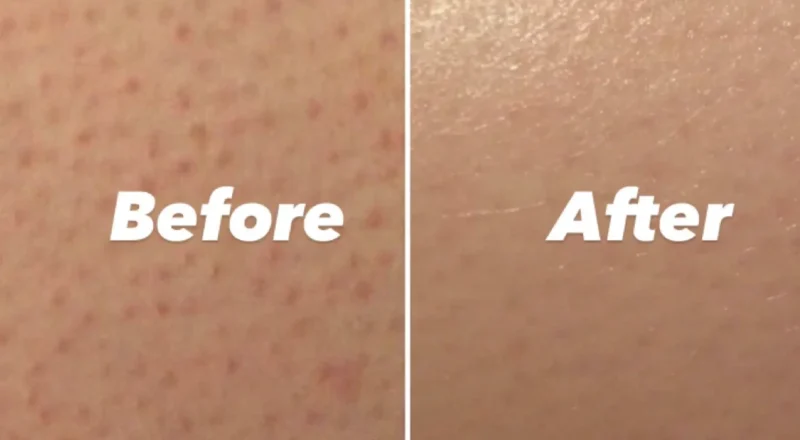
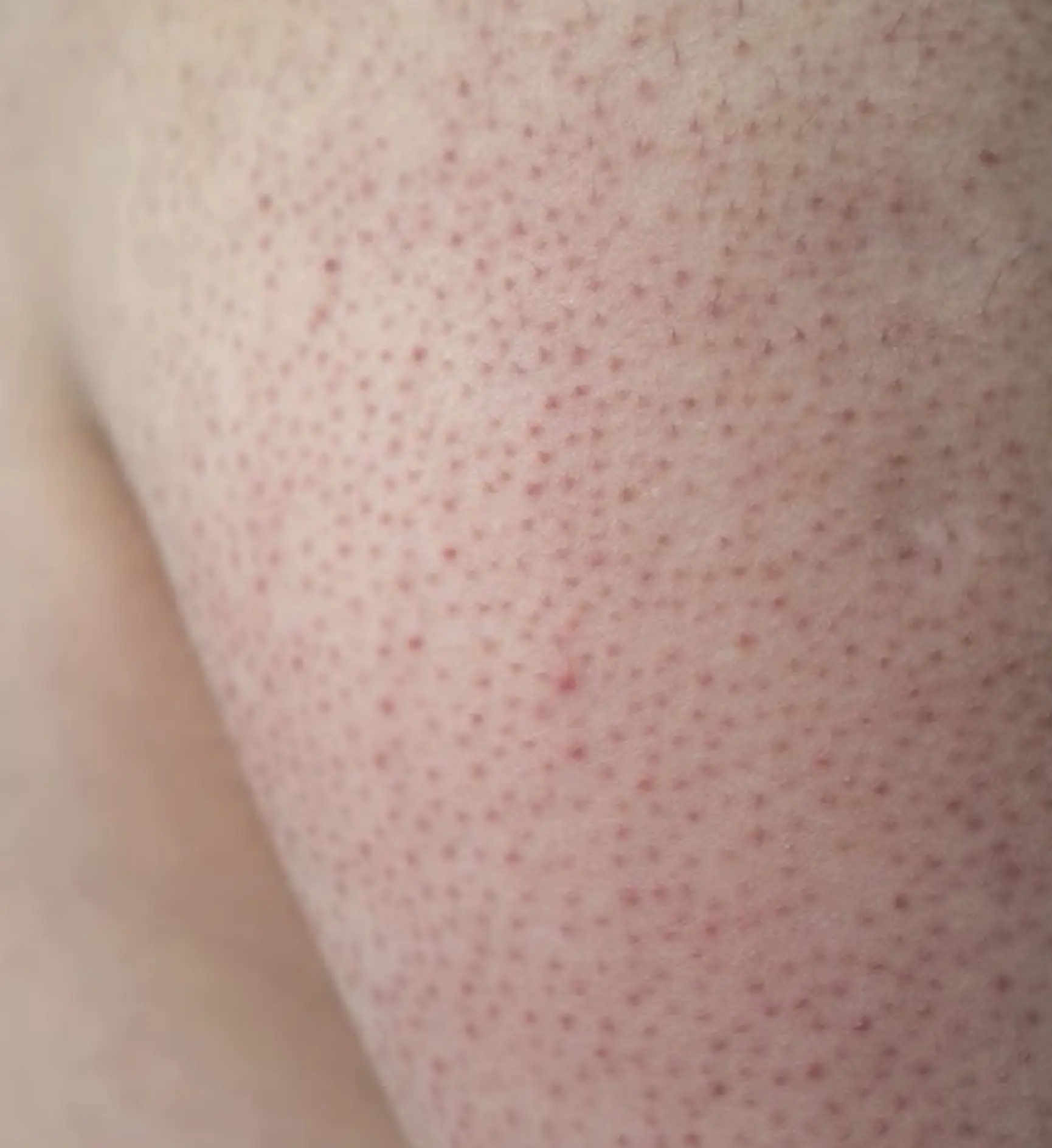
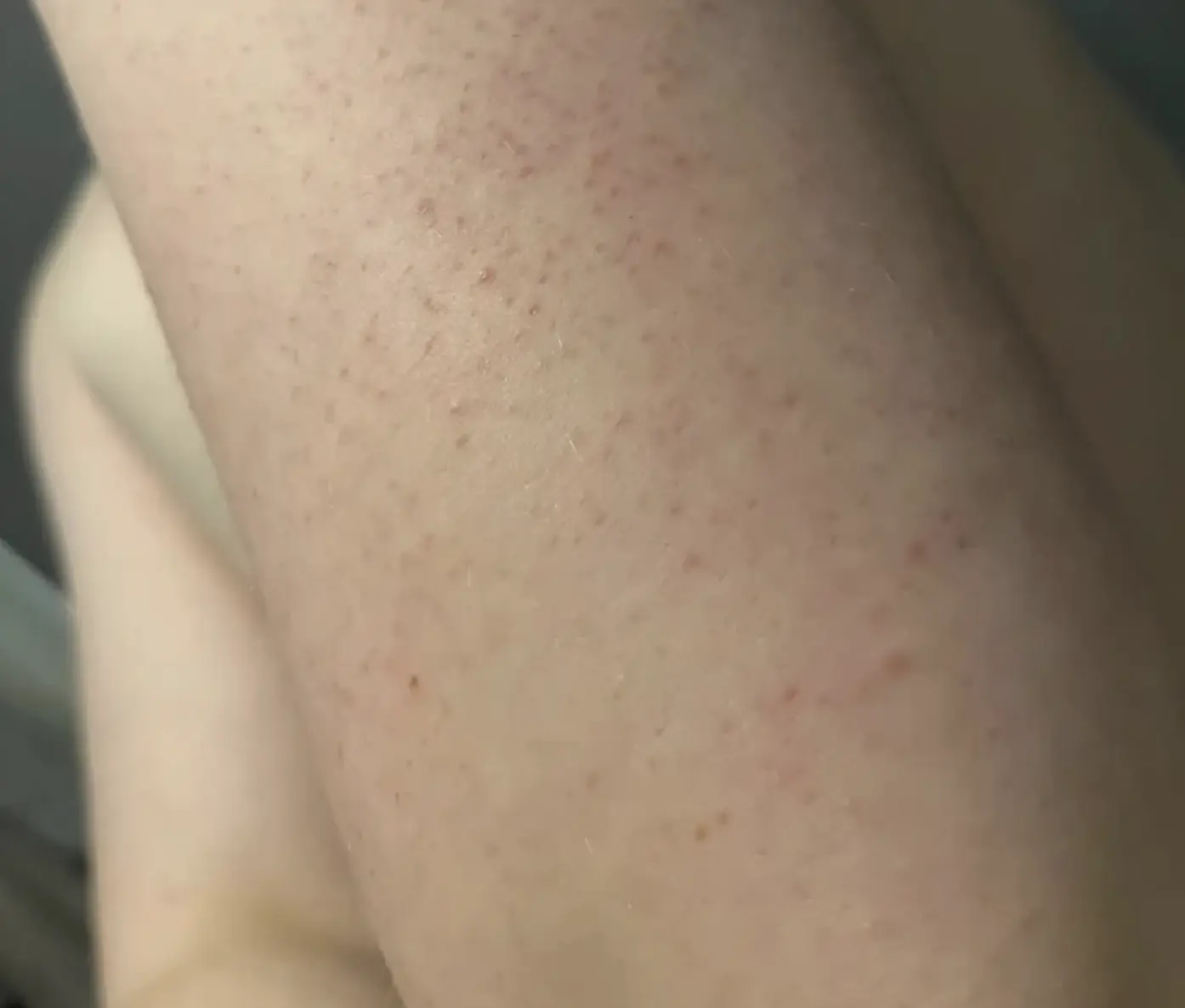
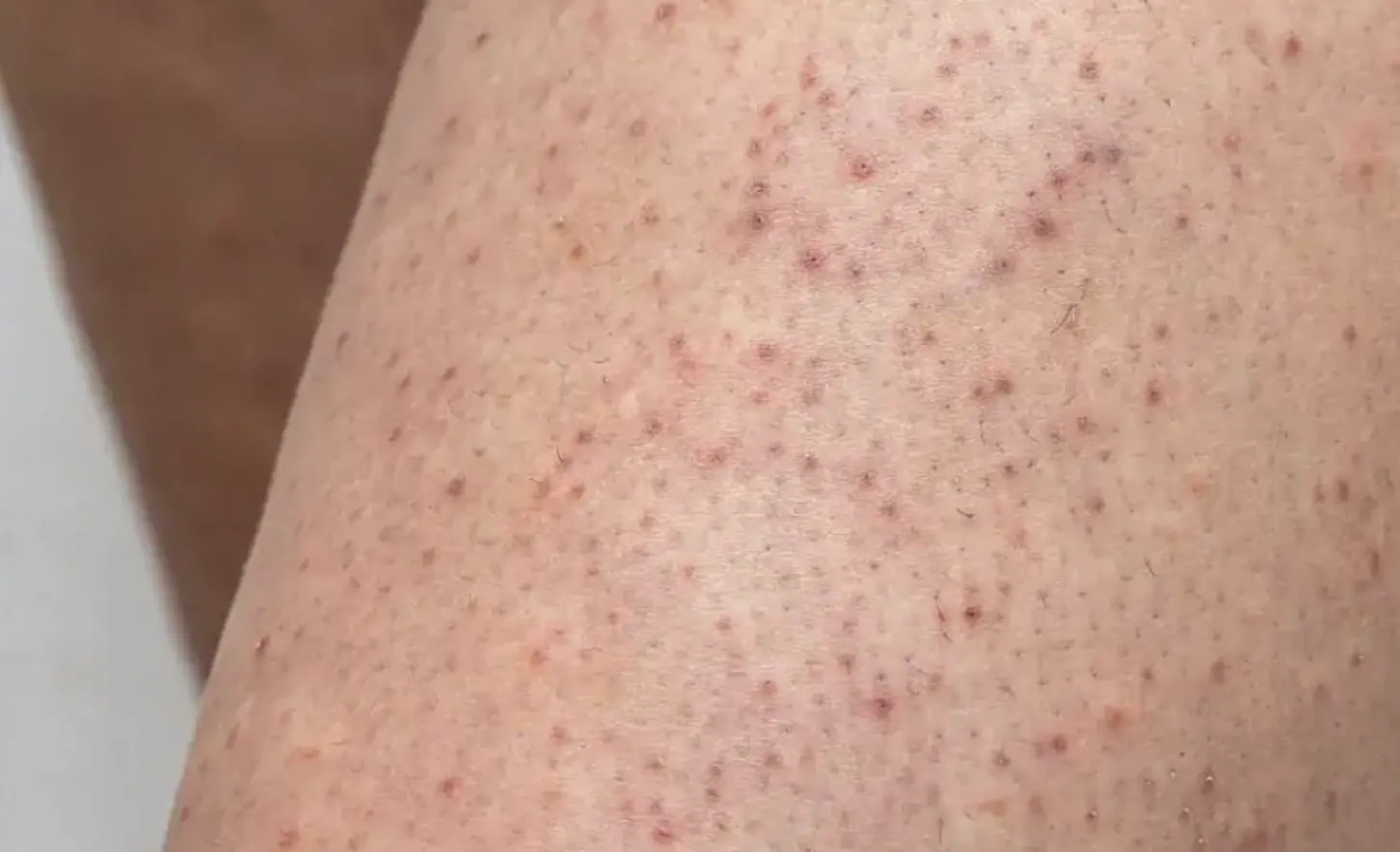
I want to take you through the lowdown on what actually helps keratosis pilaris on the arms and legs – that annoying “chicken skin” texture caused by keratin buildup in hair follicles – because this is one skin condition that shows up pretty regularly in the treatment room – and yes, even on my own upper arms from time to time. I’ve worked with so many clients at The Facial Hub who are totally unsure about how to treat keratosis pilaris bumps, dryness and rough skin texture, and the good news is that it’s really quite manageable.
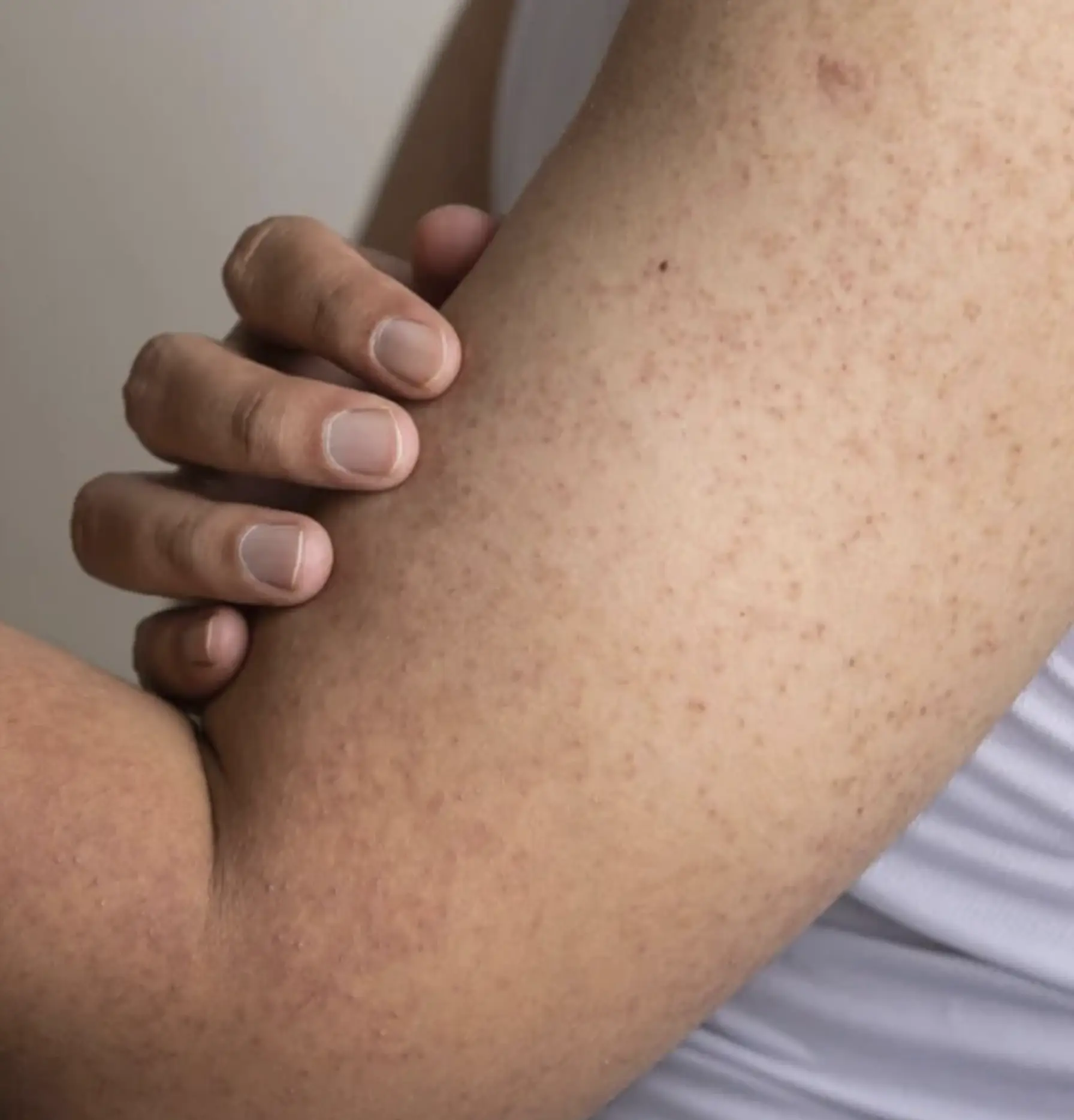
I’ve sat with people who’ve felt mortified wearing singlets all summer in Brisbane or even avoiding shorts because their skin looked like it was all bumpy. If that’s you, then take a deep breath – the truth is keratosis pilaris is extremely common and very treatable, and it responds beautifully to a bit of routine and TLC. And yes, even a relaxing facials at The Facial Hub can provide a bit of relief when your skin is feeling stressed, inflamed or barrier-compromised.
Contents
- 1 Understanding The Cause Of Rough, Bumpy Skin
- 2 It’s More Common Than You Think
- 3 Exfoliation Methods That Actually Make A Difference
- 4 KP-Safe Exfoliating Ingredients Table
- 5 Moisturising Correctly: The Often-Missing Step
- 6 Daily Habits That Calm Texture And Redness
- 7 Ingredients And DIY Methods To Avoid
- 8 What To Expect: A Realistic Treatment Timeline
- 9 Advanced Treatments For Stubborn Texture
- 10 Skin Trends Transforming Body Care In 2026
- 11 A Gentle Reflection
- 12 FAQ
Understanding The Cause Of Rough, Bumpy Skin
Let’s start with a bit of empathy and a look at what’s going on under the skin – KP isn’t caused by being a bit grimy or not moisturising enough. It’s a skin condition in which excess keratin accumulates inside hair follicles, forming keratin plugs that trap dead skin cells. It can be influenced by many factors, such as heat, humidity, a dry climate, genetics, and underlying sensitivities like atopic dermatitis and compromised skin barrier function.
I often have clients at The Facial Hub in Brisbane turn up thinking they’ve done something wrong, but the truth is that keratosis pilaris is largely genetic and tends to appear on the upper arms and thighs regardless of how well you’re taking care of your skin.
It’s More Common Than You Think
The numbers are pretty staggering – keratosis pilaris affects up to 40% of adults and 50–80% of teenagers according to dermatology data from 2026. So if it feels like you’re the only one dealing with persistent “chicken skin” bumps on arms or legs, you’re definitely not alone.
Exfoliation Methods That Actually Make A Difference
These gentle methods are not only effective but also safe for treating keratosis pilaris without damaging the skin barrier – especially here in Brisbane where the harsh weather can easily aggravate sensitive skin.
Chemical Exfoliants: The Science-Backed Heroes
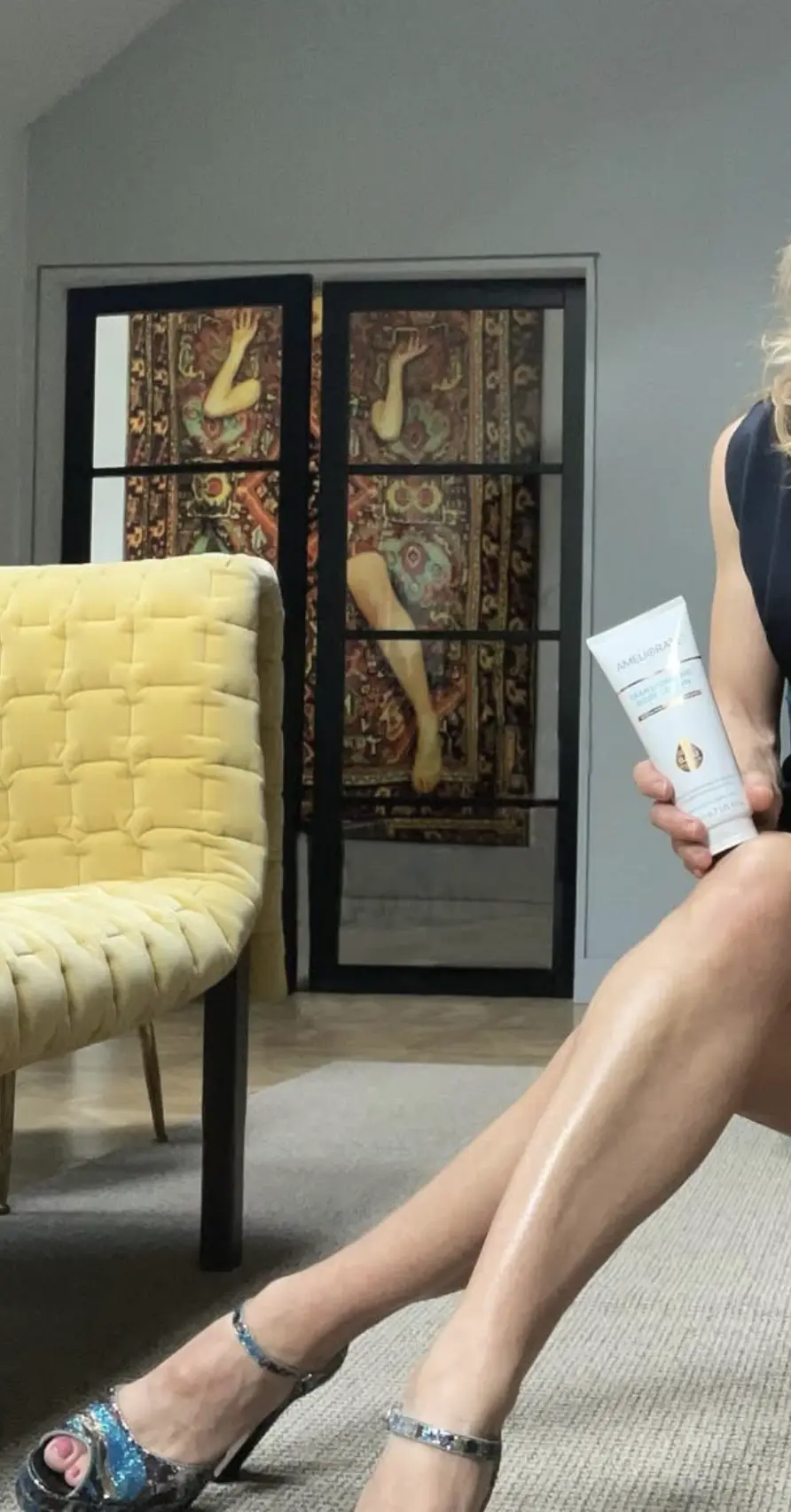
I’ve found that alpha hydroxy acids like lactic acid and beta hydroxy acids like salicylic acid make a real difference in reducing keratosis pilaris bumps. These ingredients help dissolve keratin buildup and loosen follicular plugs without the aggressive rubbing that physical scrubs cause.
What I often see, though, is that clients start with an exfoliating cleanser or exfoliating gel but don’t realise just how much more effective AHA exfoliation for keratosis pilaris can be at tackling stubborn follicular plugs. A good routine often involves rotating exfoliating acids and barrier-repair products to keep the skin calm.
Physical Exfoliation: Use Only With Extreme Gentleness
You can use a soft mitt or an ultra-gentle body scrub to lightly buff the surface, but going overboard will cause micro-tears, inflammation and keratosis pilaris flare-ups. Once clients move from harsh scrubs to gentle chemical exfoliation routines, their KP often improves within weeks.
KP-Safe Exfoliating Ingredients Table
| Ingredient | Category | What It Does | Best For |
|---|---|---|---|
| Lactic Acid (AHA) | Chemical | Gently resurfaces and hydrates rough skin | Sensitive or dry KP |
| Glycolic Acid (AHA) | Chemical | Stronger exfoliation for thickened skin | Stubborn keratosis pilaris |
| Salicylic Acid (BHA) | Chemical | Unclogs follicular debris and oil | Red or inflamed KP |
| Urea (10–20%) | Keratolytic | Softens keratin buildup | Rough patches + dryness |
| Rough Physical Scrubs | Physical | Damages the skin barrier | Avoid completely |
If your skin feels stingy, hot, or itchy after exfoliating, that’s a sign your skin barrier may be irritated or inflamed – keratosis pilaris always responds best to gentle exfoliation routines.
Moisturising Correctly: The Often-Missing Step
When a client tells me their keratosis pilaris won’t improve, the problem usually comes down to one thing: they exfoliate regularly but forget about deep barrier-repair moisturising.
Why Hydration Matters
KP-prone skin is notorious for chronic dryness and impaired barrier function. When the skin loses water rapidly, keratin plugs harden and cling more tightly to the hair follicle.
What To Look For In A Moisturiser
These ingredients consistently help smooth keratosis pilaris rough patches:
- Shea butter for barrier nourishment
- Hyaluronic acid for water retention
- Ceramides to repair the skin barrier
- Urea for dissolving keratin buildup
One habit I always recommend is moisturising immediately after showering, especially after treatments like hydrafacial in Brisbane, to prevent transepidermal water loss.
Daily Habits That Calm Texture And Redness
Even when you’re using the right skincare, environmental triggers for keratosis pilaris can make symptoms worse.
Humidity, Sweat & Friction
Heat, sweat and friction can aggravate KP bumps. Small changes help reduce irritation:
- Wear loose breathable clothing in humid weather
- Shower after workouts to remove sweat
- Apply moisturiser immediately after towel-drying
Winter & Dry Climate
When humidity drops, KP symptoms usually worsen due to increased skin dryness and lipid depletion. Increasing moisturiser frequency helps stabilise the skin barrier.
Gentle Shaving Techniques
Shaving upward or using dull blades can irritate hair follicles. Using lubricating shaving gel and shaving downward helps reduce inflammation.
The Gluten Intolerance Question
Some people report improvement in KP when addressing gluten intolerance or inflammatory diets, but current dermatology evidence shows it is not a universal trigger.
Ingredients And DIY Methods To Avoid
KP-prone skin behaves like a fragile barrier, and certain ingredients can worsen inflammation and follicular irritation.
Harsh Scrubs
Salt, sugar, walnut and baking soda scrubs can cause micro-damage to the skin barrier, worsening keratosis pilaris.
Strong DIY Acids
DIY remedies like apple cider vinegar may disrupt skin pH balance and trigger irritation.
Strong Retinoids Over Large Areas
Retinoids can help small KP patches but applying them over large body areas may cause widespread irritation and peeling without medical guidance.
What To Expect: A Realistic Treatment Timeline
| Week | What’s Happening | What You Might Notice |
|---|---|---|
| 1–2 | Exfoliants begin dissolving keratin plugs | Skin softer but bumps remain |
| 3–6 | Follicular turnover stabilises | Texture smoother |
| 8–12 | Maintenance phase begins | KP appears lighter and less rough |
| 12+ | Long-term barrier care | KP controlled with routine |
According to 2026 dermatology research, about 70% of keratosis pilaris cases improved after 8–12 weeks using AHA/BHA exfoliation combined with rich moisturisers.
Advanced Treatments For Stubborn Texture
Some clients dealing with persistent KP may benefit from professional dermatological treatments.
Laser Treatments
Treatments such as CO2 fractional laser or IPL therapy may help reduce redness and chronic inflammation associated with KP.
Chemical Peels
Professional lactic acid or glycolic acid chemical peels can improve skin smoothness and reduce keratin buildup.
Light Therapy
At The Facial Hub, LED light therapy for skin healing helps calm inflammation and support barrier repair.
Skin Trends Transforming Body Care In 2026
Microdose Body Retinols
These formulations offer gentle retinol exfoliation for body texture with minimal irritation.
Barrier-First Body Care
Brands now focus on ceramides, urea, hyaluronic acid and lipid repair rather than harsh scrubbing.
Skin Cycling For The Body
- Night 1: AHA exfoliation
- Night 2: Urea moisturising
- Nights 3-4: Barrier repair creams
This routine approach helps maintain consistent keratosis pilaris management.
A Gentle Reflection
If you’ve been dealing with KP for years and feel embarrassed about rough skin texture, remember that keratosis pilaris is manageable with consistent care. With routines focused on barrier repair, exfoliation and hydration, skin texture can become noticeably smoother.
Many clients tell us their arms feel dramatically smoother after developing a routine and visiting The Facial Hub for professional skin treatments and relaxation therapy.
FAQ
Does KP ever fully go away?
Many people experience major improvement, but keratosis pilaris usually requires long-term maintenance.
Can KP spread?
No, KP is not contagious, though it may appear on new areas when skin becomes dry or irritated.
Should I pop the bumps?
No. Squeezing can cause scarring and follicle inflammation.
For some people with gluten sensitivity or inflammatory diets it may worsen symptoms, but it is not a universal cause.
Is KP the same as body acne?
No. KP results from keratin buildup in follicles, while acne is caused by oil and bacterial inflammation.