If you’ve ever stood before Uluru at sunrise, you’ll understand why this monolith inspires awe. Rising 348 metres above the central Australian desert and stretching 3.6 kilometres in length, Uluru is not just a geological marvel; it’s a place of immense spiritual and cultural significance. But a question often asked by curious travellers is: Who discovered Uluru? While the short answer might point to a 19th-century European explorer, the truth goes far deeper, thousands of years deeper.
In this post, we’ll explore the historical and cultural context of Uluru’s “discovery,” honour the Anangu Traditional Owners, and offer insights for planning a responsible and unforgettable journey to this iconic site.

Contents
First Nations Custodians
Long before Europeans arrived in Australia, Uluru was already well known to its Traditional Owners—the Anangu people, part of the Pitjantjatjara and Yankunytjatjara language groups. According to Tjukurpa (the foundation of Anangu law, culture, and spiritual beliefs), Uluru has always existed. It was formed during the Dreamtime—the creation period—by ancestral beings who created the landscape, shaping both the physical features and cultural values of the region.
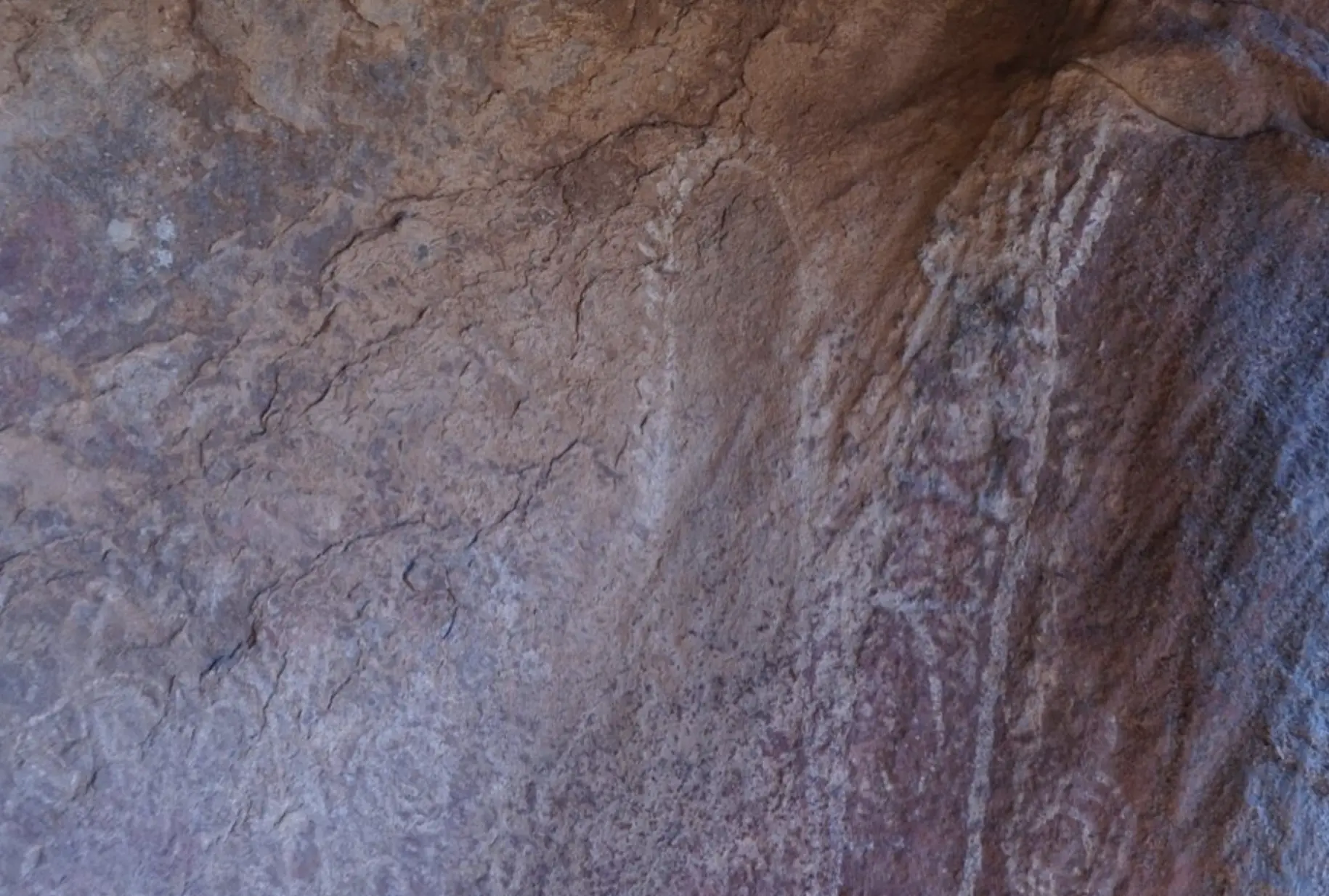
The Anangu people have lived in the region for at least 30,000 years, passing down oral histories, songlines, and sacred stories tied intimately to Uluru. Physical evidence of their presence is etched into the land through rock art, day roosting sites, and ancient tools found in caves.
So when we ask, “Who discovered Uluru?” we must first acknowledge that it was never lost. It was, and remains, a central landmark in Anangu culture and a vital part of the Australian landscape.

European Discovery
In the Eurocentric historical record, Uluru was first documented by European explorer William Christie Gosse on 19 July 1873. Accompanied by Afghan camel drivers and local Aboriginal guides, Gosse was part of a broader wave of colonial expeditions seeking to map the uncharted interiors of the western deserts of Australia.
Gosse named the monolith “Ayers Rock” in honour of Sir Henry Ayers, the Chief Secretary of South Australia at the time. His journal entries describe the rock’s sheer magnitude and vibrant colours, a contrast to the vast desert landscape surrounding it. This naming was part of a broader colonial pattern of overlaying European names on Indigenous sacred sites.
From Ayers Rock Back to Uluru
The name “Ayers Rock” persisted throughout most of the 20th century, becoming embedded in guidebooks, postcards, and Australian tourism marketing. However, the cultural tide began to shift in the late 20th century with growing recognition of Aboriginal land rights.
In 1958, the area was declared an Aboriginal reserve. Then, in 1985, a landmark decision by the board of management granted the Anangu people joint management and freehold title of Uluru-Kata Tjuta National Park. In 1993, the dual naming policy was introduced, officially recognising the name “Uluru / Ayers Rock.” By 2002, “Uluru” was formally listed first in official use, reflecting a growing respect for the site’s Traditional Owners and Indigenous heritage.

The Significance
Today, Uluru is both a natural wonder and a symbol of reconciliation. It draws more than 250,000 visitors annually, but tourism here is uniquely shaped by cultural sensitivity and community leadership.
Visitors are encouraged to walk around the base, take ranger-guided tours, or join Anangu-led cultural experiences. Since 2019, climbing Uluru has been permanently banned following a board decision at the request of Traditional Owners—a major step forward in respecting Indigenous sovereignty.
Uluru is also a UNESCO World Heritage Site, recognised for both its natural and cultural values. The stories etched into its surface are more than ancient myths; they’re ongoing connections between people and place, past and present. The entire region is a living cultural landscape, alive with stories of the process of creation and deeply sacred to the Aboriginal people.
Geology and Environment
Uluru is composed primarily of arkose sandstone, a coarse-grained rock formed from layers of sand that were originally deposited around 550 million years ago. These layers of sand were compressed over time, giving rise to the massive monolith we see today.
Heavy rains in the region shape the rock’s appearance by creating dark streaks down its sides, while endemic plants and animals have adapted to survive in the harsh desert environment. The environmental impact of tourism is carefully managed to preserve this unique ecosystem.
Planning Your Visit
If you’re planning a trip to Uluru, or 2-day Uluru Tour, here are some essential tips for a meaningful and responsible experience:
1. Best Time to Visit
- May to September is ideal for cooler temperatures and clearer skies.
- Avoid peak summer (December to February), when temperatures can soar above 40°C.
2. Getting There
- Fly directly into Ayers Rock Airport (Connellan Airport) from major hubs like Sydney, Melbourne, or Alice Springs.
- Self-driving from Alice Springs (approx. 5.5 hours) is a scenic option for adventurous travellers.
- Bus services also operate between Alice Springs and Yulara, catering to budget-conscious visitors.
3. Where to Stay
- Accommodation ranges from luxury lodges like Longitude 131° to budget-friendly cabins and campsites at Ayers Rock Resort in Yulara, a well-managed tourist facility.
4. Top Things to Do
- Uluru Base Walk: A 10.6km loop offering diverse perspectives of the rock.
- Mala Walk: Shorter, ranger-guided and rich in cultural stories.
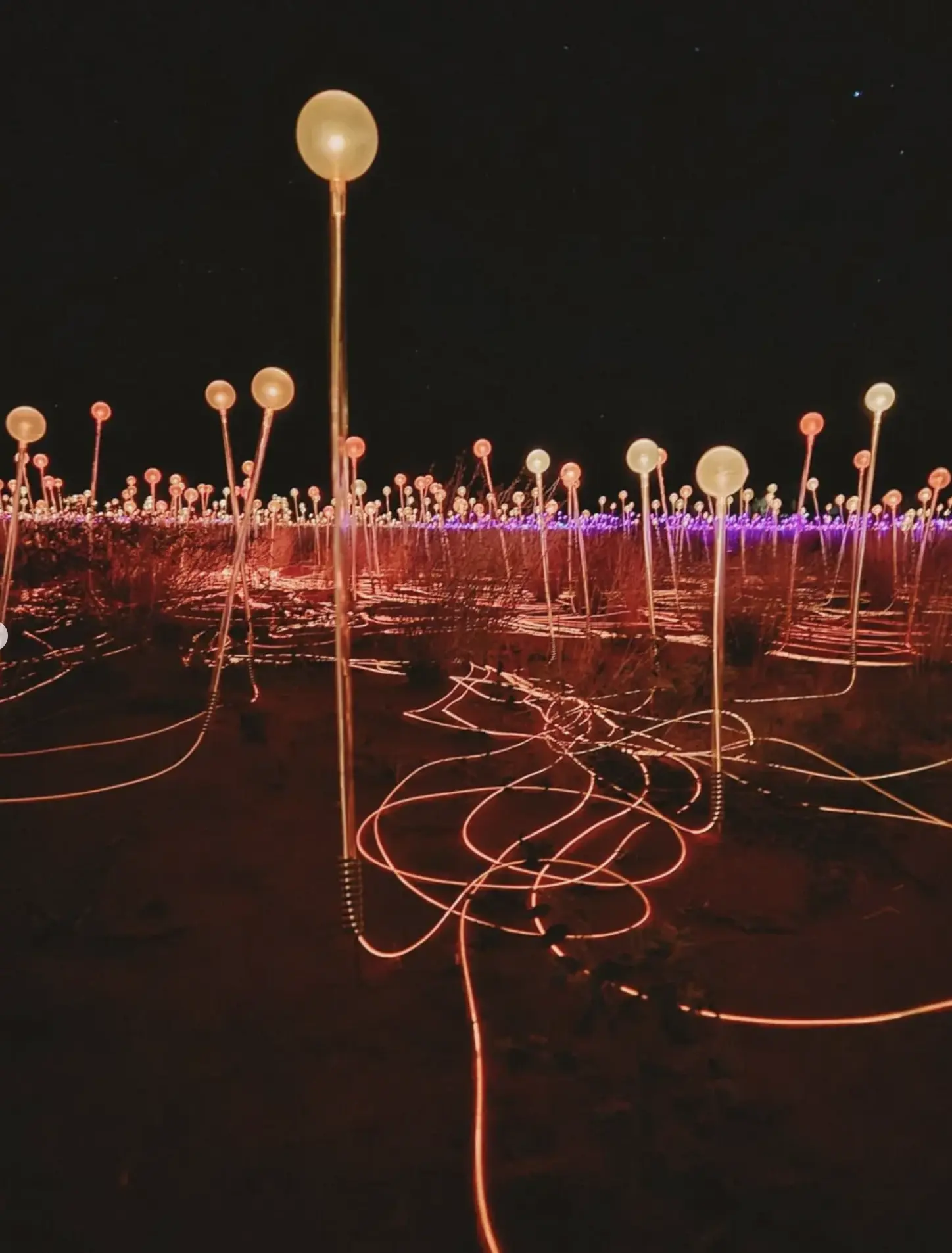
- Field of Light: A stunning solar-powered art installation by Bruce Munro.
- Talinguru Nyakunytjaku Lookout: Perfect for sunrise or sunset views.
5. Cultural Etiquette
- Do not photograph sacred sites (marked clearly on signage).
- Respect Anangu customs, including the no-climb policy.
- Support Indigenous-owned tours and shops to help strengthen the local economy.
- Incorporate educational materials for younger visitors—ideal if you’re travelling with primary school children.
To experience Uluru’s beauty and heritage up close, consider joining a professionally guided Uluru tour that focuses on cultural learning and environmental sustainability.
Exploring the Red Centre
Uluru is not only one highlight in the broader Red Centre region. Combine your visit with these nearby attractions:
- Kata Tjuta (The Olgas): Just 50km from Uluru, these rock types form massive domes and offer challenging hikes like the Valley of the Winds.
- Kings Canyon: Located in Watarrka National Park, it’s a 3-hour drive from Uluru and features the dramatic Rim Walk.
- Alice Springs: A cultural and logistical hub with art galleries, camel rides, and desert parks showcasing forms of people and wildlife unique to the region.
A variety of Uluru tours operate daily, with flexible itineraries to suit all types of travellers. If you’re short on time, a 2 day Uluru tour is a great way to see the highlights without feeling rushed.
Consider joining a 3-day or 4-day guided tour to cover these highlights seamlessly. Companies like Autopia Tours offer ethical, all-inclusive packages. Autopia Tours is known for its small-group experiences and cultural insights that align with responsible travel practices. Whether you’re exploring Uluru, hiking through Kings Canyon, or witnessing the majesty of Kata Tjuta, Autopia Tours provides well-curated itineraries to immerse you in the cultural landscape.
Planning a journey that begins in Alice Springs? Many providers offer a Uluru tour from Alice Springs, making it easy to combine outback adventure with comfort and convenience.

There are also excellent tours from Alice Springs to Uluru available year-round, often including overnight stays and visits to surrounding sacred sites.
In fact, many visitors find that joining Autopia Tours enhances their understanding of sacred sites and Aboriginal cultural significance throughout the Red Centre.
Final Thoughts
So, who discovered Uluru? The real question is not who found it, but how we choose to see it today. As travellers, we have the privilege—and responsibility—to respect Uluru not just as a rock, but as a living cultural landscape.
From its sacred Dreaming stories to its role in modern reconciliation, Uluru is far more than a postcard image. It’s a place that challenges us to look deeper, listen more, and travel better.
When you walk the red dust paths, gaze up at its immense face, or listen to an Elder share Tjukurpa, you become part of a much older story. And in that moment, you haven’t discovered Uluru—you’ve begun to understand it.
And if you want that journey enriched with knowledge, care, and cultural depth, consider letting Autopia Tours guide the way.
FAQ
Who really discovered Uluru?
The Anangu people are the Traditional Owners of Uluru and have known it for tens of thousands of years. European explorer William Gosse recorded it in 1873, but it was never “discovered” in the truest sense.
Why was it called Ayers Rock?
Gosse named it after Sir Henry Ayers, a colonial administrator. The name “Uluru” predates this by millennia and holds cultural and spiritual meaning for the Aboriginal people.
Can you still climb Uluru?
No. As of 26 October 2019, climbing is permanently banned out of respect for Anangu law and wishes.
What is Tjukurpa?
Tjukurpa (pronounced “chook-orr-pa”) is the Anangu word for the Dreaming—a complex system of beliefs about creation, law, behaviour, and the natural world. It underpins all aspects of life at Uluru.
How can I experience Uluru respectfully?
Join guided Uluru tours with park rangers or Anangu guides, follow all signage, avoid photographing sacred sites, and support local Indigenous businesses. Respecting Indigenous peoples and their customs is essential to preserving this cultural landscape.